

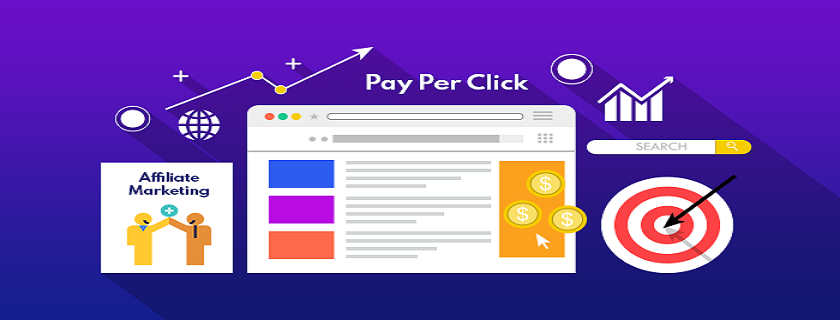
Everyone has different requirements for their business, as some request incredibly granular search ads and others leave it to their agency. Tuning a successful PPC campaign is an art that goes differently from the ad copies or the strategic keyword.
It is about understanding the data and various other tactics that not everyone can understand. PPC ads are more important than SEO because businesses can spend thousands of dollars on ads that reach no one and accomplish nothing.
Whether you are a business owner who is trying to grow your business or searching for new business strategies to have a powerful campaign, a perfect strategy can increase your PPC rate, but you are still not aware of that. So, in this blog, we have shared the tips that are used to improve PPC marketing.
Take advantage of negative keywords
In advertising, accuracy is essential, while choosing the ideal keywords to draw in your target audience takes up a lot of your attention in a PPC campaign. Negative keywords play an equally important role; they may improve your campaign to attain a higher level of accuracy and, as a result, a better return on investment by comprehending and utilizing them.
Negative keywords act as filters that tell you that your ads aren’t displayed to the relevant audience. They prevent the ads from being bogged down by unnecessary clicks and save on costs. When working on PPC marketing, you need to make sure that what you have worked on at night needs to be adjusted again in the morning.
Enable conversion tracking
While AdWords offers an abundance of keyword and click data, it’s crucial that you set up your own conversion tracker to evaluate the success of your campaign. A conversion tracker is a piece of HTML code that you install to keep track of particular actions on particular web pages.
You may find out which ads perform the best with your audience and drive the most conversions by installing a conversion tracker on thank-you or checkout pages. This can be used to monitor actions like sharing, tap-to-call actions, and subscription or form fill-outs.
Keep the locations targeting limited
Location targeting is an important factor when you are looking for success with a limited budget. It is relevant to local search intent, and it minimizes competition as people near your location are easier to target.
This allows you to micro-target the individuals within a certain radius, which increases the chances of clicking your ads. You can easily register your business with location extensions for near-me searches, which can help your business show up at the top.
Use the ad extension
The search ads are limited to a single message without any extension. If you work with an ad extension, you can add more real estate to the ads with various intents.
There are numerous extensions available, with the following being the most popular ones:
- Callout Extensions: A Brand Value Declaration
- Sitelink Extensions: Extra links with call-to-action
- Review Extensions: Reviews that are taken directly from your landing page and used as social media proof.
- Structured Snippet: A set of characteristics connected to a good, service, or class of goods
Ad extensions are a fantastic method to test out new CTAs and give users more ways to engage with your advertisements and perhaps convert. Your click-through rate and conversion rate can both go up if you include a site link extension in your ads.
More testing
It is essential to refine your ads in order to reach the right target audience and gather the most conversions. The A/B split testing is conducted by pausing one campaign and unleashing another ad group. There are various ad scripts that allow you to track the split testing data between two different ad sets by impressions, CTR, and more.
By doing regular testing, you can monitor the ad set data and attributions, which cleverly refine your ads to drive better results for any bid proposition.
What Is the Role of PPC in Digital Marketing?
What Difference between Paid and Organic SEO?